Types of Cooking Methods

Top Cooking Methods That You Should Know
On any regular day in an Indian kitchen, you are already using multiple cooking methods without giving it much thought. Boiling rice, pressure cooking dal, sauteing vegetables for a quick sabzi, deep frying puris on special days. But understanding what each method actually does to your food can make a real difference. Paneer tikka turns out rubbery or soft depending on the cooking method, not just the recipe. This guide covers 19 methods, grouped by how they use heat, water, and oil.
Top 19 Cooking Methods To Make Your Life Easy
First things first, based on the cooking style - either with water, no water or by using oil, you can divide the basics. Here, you have dry heat cooking, moist cooking, and oil-based cooking. In all, along with water and oil, the amount of heat used to cook, the final output acts as a differentiating factor.
I-Dry Heat Cooking Style
Among all the cooking methods, in dry heat, there is no water used while preparing the food. When using this cooking style, you must be mindful and stay by the stove until the process is complete. Moving on, here is a list of the various cooking methods that come under the dry heat cooking style.
1. Baking
The baking method requires you to cook the food within an enclosed space without using any water. Typically, you need an oven to bake. In the process, you bake doughs or batters, altering the form of the starch present in the dish. You require an enclosed space to complete the process of baking. Under such conditions, the heat gets evenly distributed across all sides of the dish.
2. Broiling
Many find the broiling technique quite similar to roasting. Unlike the latter, here, the food gets cooked by absorbing heat from above. In the broiling method, you need to set the oven temperature at a minimum of 200 degrees Celsius and keep checking to prevent burning. Mostly, it is meat, which is broiled. Other than that, one can also broil vegetables and fruits.
3. Grilling

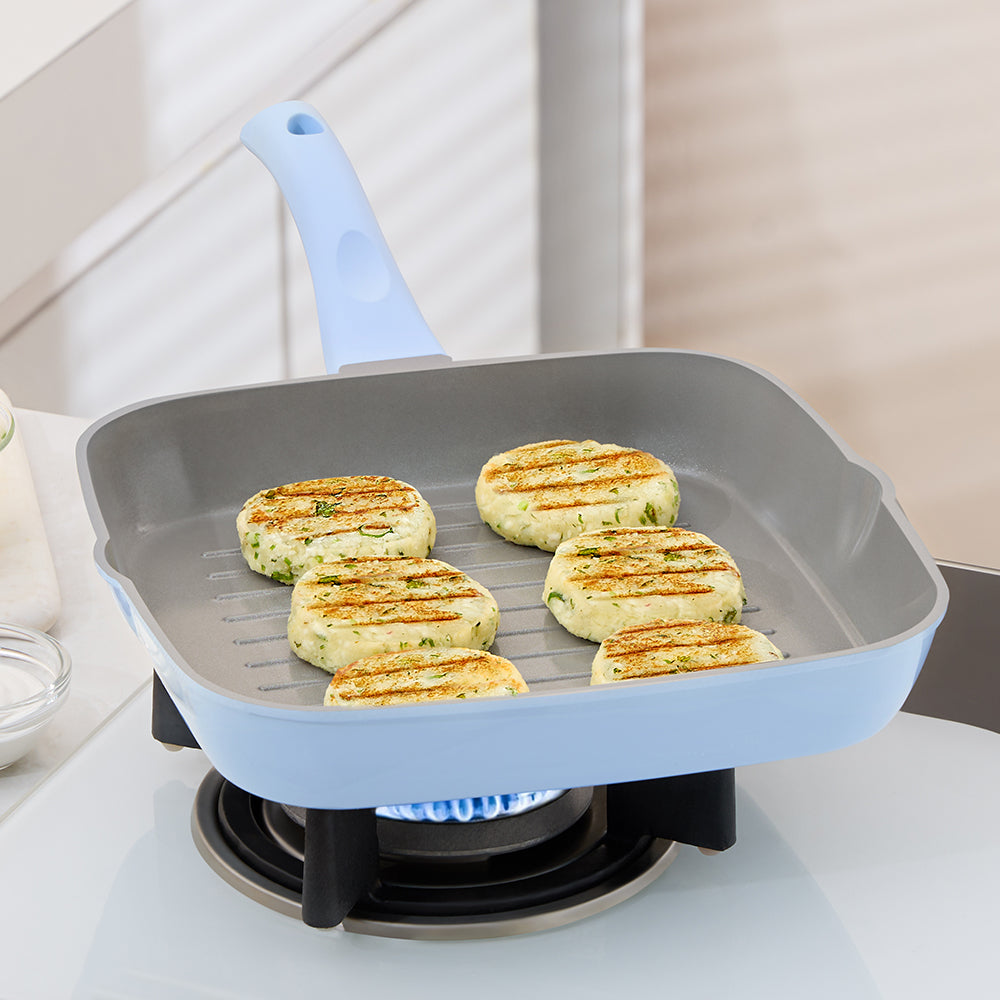
While grilling, your food (usually meats, burgers and fish) is directly placed over a heat source. You can adjust the source's temperature or continue moving and flipping the item for a uniformly cooked output.
4. Roasting

In this type of cooking, dry heat and hot air surrounding the food are used to cook the dish evenly across all sides. You can roast your raw ingredients over an open flame or in a specially curated oven. Roasted meat and vegetables have a unique taste of their own, which comes from browning or caramelisation of the same. 
5. Searing
Searing is rapidly cooking food surfaces at high temperatures to form a flavorful, browned crust. It locks in juices and significantly enhances taste through caramelization, known as the Maillard reaction. Primarily used for steaks, chicken breasts, or fish fillets, it often precedes slower cooking methods like roasting or braising.
6. Smoking
Smoking cooks and flavours food by exposure to smoke generated from smouldering wood chips or pellets. This method imparts distinctive smoky aromas and deep, earthy flavours while gently cooking and preserving food. Popular for cooking meats like ribs, salmon, cheeses, and even vegetables, creating uniquely flavorful dishes.
7. Microwaving
Microwave cooking employs electromagnetic waves, rapidly vibrating water molecules within food to generate heat. It's convenient and extremely quick, ideal for reheating meals, cooking vegetables evenly, steaming rice, and preparing simple snacks. Microwaving preserves nutrients effectively due to minimal cooking time, making it highly practical in modern kitchens.
8. Flambéing
Flambé involves igniting alcohol briefly during cooking to add dramatic flair and rich flavours to a dish. The quick burst of flame burns off alcohol, leaving behind intensified taste notes. Often used in desserts like Bananas Foster, crêpes Suzette, or savoury dishes such as steak Diane, creating memorable culinary presentations.
II-Moist Heat Cooking Style
The moist cooking method relies on the presence of liquid to cook the main ingredient. It is the most appropriate cooking method to tenderise the tough fibres of any raw food item, especially meat.
9. Boiling

In the boiling cooking method, you need to immerse raw ingredients in water (whether it be vegetables, meat, or fish), let them get all the heat and cook until the water reaches its boiling point (100 degrees Celsius). Boil fibrous raw materials to make them soft and easy to eat.
10. Poaching

The poaching method requires you to immerse the food in the water, maintaining the temperature between 60 and 80 degrees Celsius. This type of low-heat cooking, among all other cooking methods, helps retain the moisture and flavour of the food without needing excess oil.
11. Sous Vide

“Sous Vide” originates from the French term "under vacuum." Here, you must place the vacuum-sealed raw material in a hot water bath, letting it slow cook. The best part about the technique is that it reduces contamination risks, prep time, and energy consumption.
12. Simmering
Simmering involves cooking food gently in liquid at temperatures just below boiling (85°C–96°C). This slow, gentle heat is ideal for enhancing flavours without toughening proteins. It's commonly used for soups, sauces, and stews, allowing ingredients to blend smoothly and thoroughly, resulting in tender textures and intensified tastes.
13. Stewing
Stewing is a moist-heat cooking method where bite-sized food pieces are cooked slowly in liquid at low temperatures. Ideal for tougher meat cuts or hearty vegetables, stewing breaks down fibres, rendering ingredients incredibly tender. It creates richly flavoured dishes like vegetable stew, beef bourguignon, or comforting lentil stews, perfect for colder weather.
14. Pressure Cooking
Pressure cooking uses steam under high pressure, usually in pressure cookers, drastically cutting cooking time by increasing the water’s boiling point. This method efficiently cooks tough meats, beans, and stews, resulting in tender, flavorful meals quickly. Ideal for nutritious soups, quick dals, or hearty stews, pressure cooking saves time without compromising taste or nutrition.
15. Sous Vide
Sous vide cooking involves vacuum-sealing food in plastic and cooking it at precisely controlled temperatures in a water bath. It ensures uniform doneness and texture and preserves natural juices and nutrients. Widely used by chefs to achieve perfection in dishes like steaks, poached eggs, and delicate seafood, ensuring consistency every time.
16. En Papillote (Cooking in Parchment)
"En papillote" is French for cooking food wrapped in parchment or foil. This gentle steaming method seals flavours and moisture, resulting in delicate textures and infused aromas. Ideal for fish, chicken, and vegetables combined with herbs or citrus, it creates a flavorful, nutritious meal with minimal cleanup required afterwards.
III-Combination Cooking
Combination cooking methods combine dry and moist heat techniques to achieve rich flavours and tender textures. Typically, food is first seared or browned (dry heat), then slowly cooked in liquid (moist heat). Braising is a classic example of a combination cooking method.
17. Braising
Braising combines high-heat searing with slow-cooking in liquid. Initially, food is quickly browned at high heat, enhancing flavours through caramelisation. It’s then slowly cooked in minimal liquid under a covered pot, tenderising tougher cuts and enriching flavour. Popular for dishes like pot roast, braised chicken thighs, and tender pork shoulders.
IV-Cooking Using Oil
You can ditch water, but you cannot always say no to oil. Here are the various ways of cooking using oil.
18. Sauteing

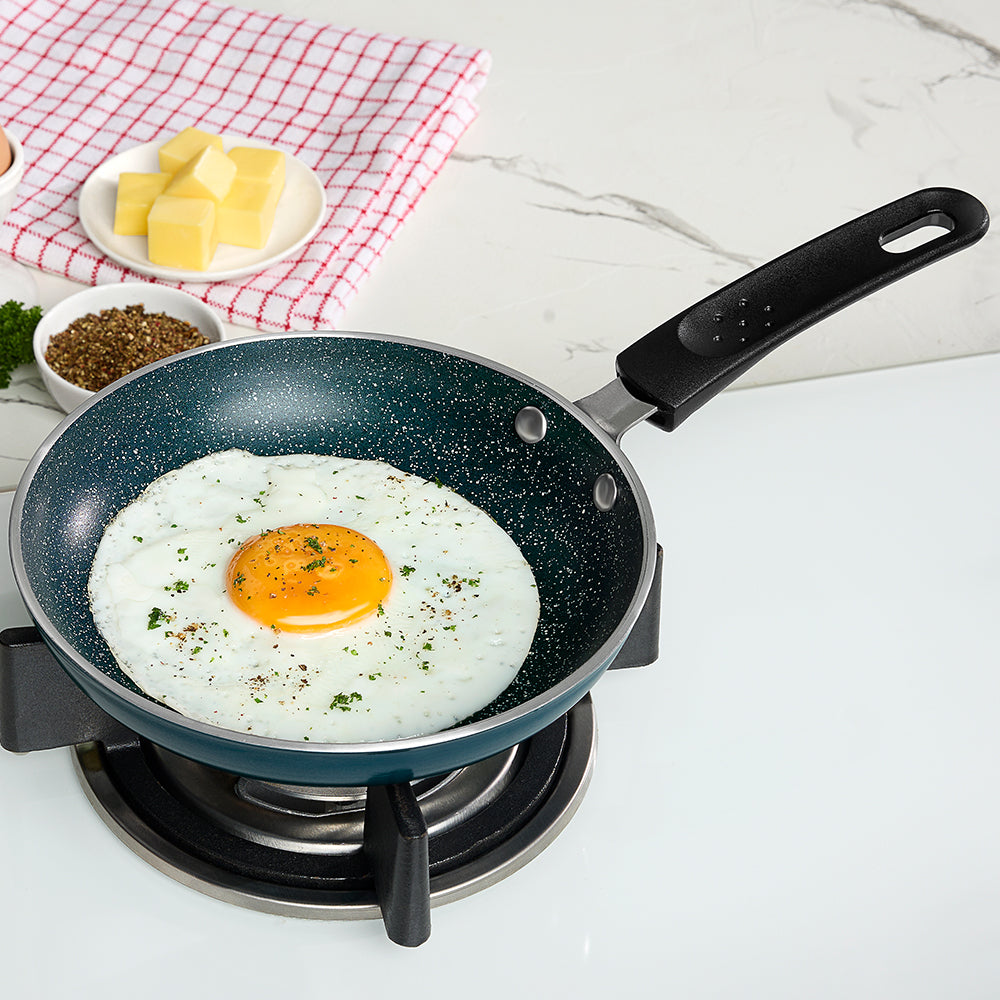
It is the healthiest option among all other cooking methods using oil. When on a diet and determined to abide by a strict rule, you can saute your vegetables in less oil in a pan over a burner. The term saute is derived from the French word "to jump," where you keep moving the food by flipping or tossing it in the pan.
19. Stir-frying

Stir-frying is a commonly used technique to cook Chinese or Korean dishes. Here, you need an oiled kadhai and must continue stirring the ingredients using a pair of chopsticks or a spatula. This ensures the food is uniformly firm and thoroughly cooked from all sides. The stir-frying technique is further divided into the Bao and Chao methods.
Some Important Cooking Terms
Now that you are familiar with various cooking methods, it is time to help you with some important cooking terms. The particulars will help amplify your cooking skills and aid further communication at a restaurant.
→ Baste: To pour liquid or juice over meat while it is being cooked.
→ Cure: The process of preserving food by adding salt. This will draw out all the moisture.
→ Deglaze: It means dissolving browned food residue in a pan using some liquid.
→ Flambé: Covering food in brandy or rum (flammable liquid) and lighting it by fire for a short duration to add a spark to the dish.
→ Cut and Fold: This technique is particularly used in baking for mixing the ingredients in the batter properly, making sure that it retains the air.
→ Scald: When you heat a liquid just to its boiling point.
Conclusion
Most of these methods are things you already use at home every day. Knowing the principles behind each one helps when something goes wrong. If your chicken curry turns out tough, you probably need slower cooking instead of high heat. If pakoras are soaking up too much oil, the oil temperature is too low. Often, the method matters just as much as the recipe itself.
Frequently Asked Questions
1. How to learn essential cooking methods?
Prioritise your cooking goals and the dishes you want to master. Then search the internet for various cooking methods and practice daily in the kitchen.
2. What is the most important thing in cooking?
You need to understand the basics of chopping and cutting. Also, you need to thoroughly learn cooking techniques to prepare dishes without burning the ingredients.
3. What is smart cooking?
Smart cooking is when you cook abiding by a particular schedule, nutrient content and serving portions.